
Affordable Innovation Is Redefining Modern Living for Nigerian Homeowners
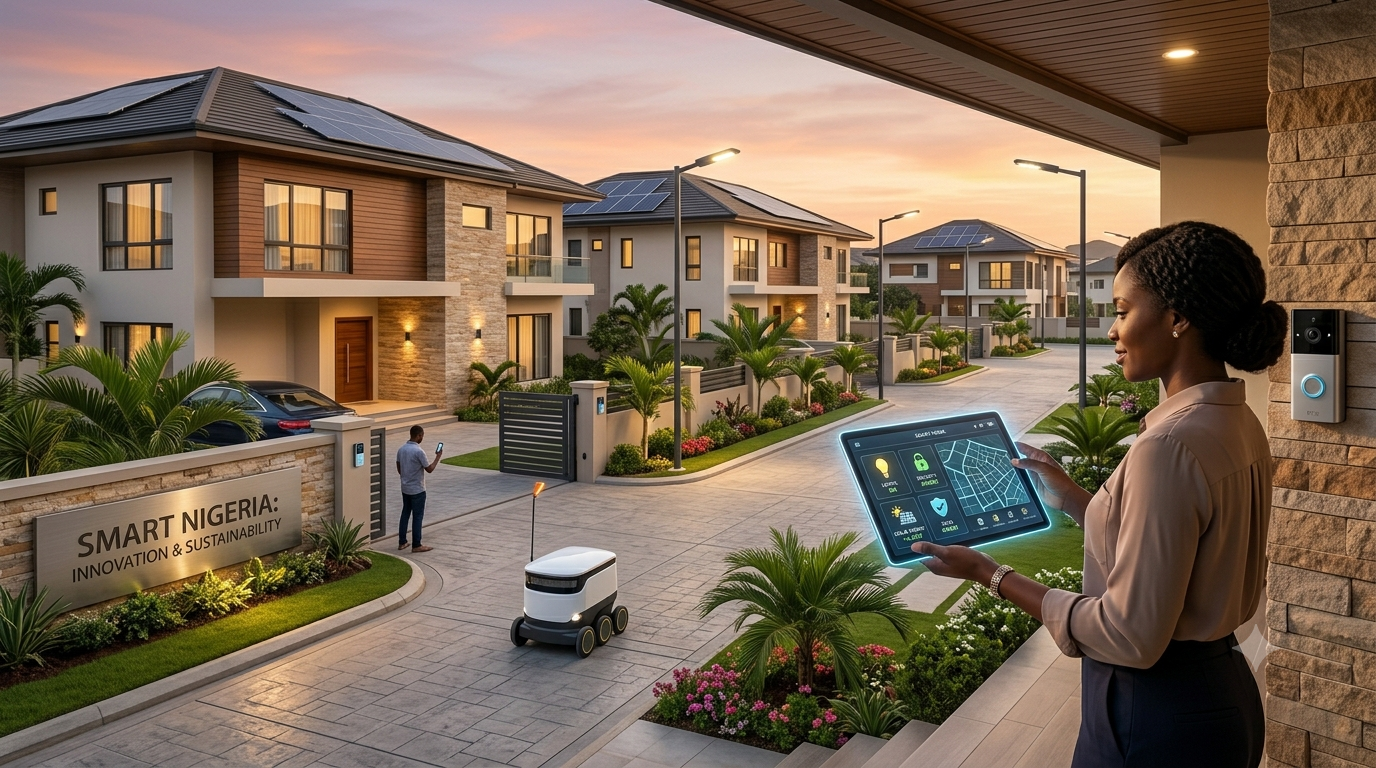
The era when smart home technology was reserved exclusively for luxury mansions and high-end developments is rapidly fading. Across Nigeria’s real estate sector, developers are increasingly integrating smart home features into mid-market estates, making modern technology accessible to a broader segment of homebuyers and renters.
In 2026, smart home adoption is accelerating as property developers respond to growing demand for convenience, security, energy efficiency, and improved quality of life. What was once considered a luxury is quickly becoming a competitive advantage in the country’s increasingly sophisticated housing market.
The Rise of Smart Living
Mid-market estates, particularly those targeting young professionals, growing families, and first-time homeowners, are embracing technology-driven solutions that improve daily living. Smart lighting systems, app-controlled security devices, automated gates, video doorbells, and remote monitoring solutions are becoming common features in newly developed communities.
Industry experts note that homeowners are no longer focused solely on property size and location. Increasingly, buyers are evaluating how technology can improve comfort, reduce costs, and provide greater control over their homes.
Security Remains a Major Driver
One of the biggest factors fueling smart home adoption is security. With mobile-connected surveillance systems, motion sensors, smart locks, and real-time alerts, residents can monitor their properties from virtually anywhere.
Developers report that estates equipped with modern security technology often attract stronger buyer interest than comparable projects without such features. The ability to remotely manage home access and monitor activities provides peace of mind for both homeowners and investors.
Energy Efficiency Takes Center Stage
Rising energy costs and inconsistent power supply continue to influence property decisions across Nigeria. As a result, many developers are combining smart home technology with solar-ready infrastructure, energy-efficient lighting, and automated power management systems.
Research indicates that properties featuring smart energy solutions can reduce electricity consumption while offering residents greater control over their energy usage. Solar-ready and smart-enabled developments are also attracting higher demand and faster occupancy rates in several markets.
Technology Meets Affordability
Perhaps the most significant development in 2026 is the declining cost of smart home integration. What once required substantial investment can now be incorporated into mid-market housing projects at relatively affordable rates.
Developers are increasingly deploying scalable smart solutions, allowing homeowners to start with basic automation and expand their systems over time. This flexibility is helping to drive wider adoption across various income groups.
A New Standard for Future Estates
The growing popularity of smart homes reflects a broader shift toward proptech-driven real estate development. From AI-powered property management systems to intelligent security networks and energy monitoring platforms, technology is becoming central to modern housing design.
As competition among developers intensifies, smart home features are increasingly viewed not as optional extras but as essential components of future-ready communities. Buyers are becoming more tech-savvy, and developers who fail to embrace innovation risk falling behind evolving market expectations.
Looking Ahead
As Nigeria’s real estate market continues to evolve, smart home technologies are expected to play an even larger role in shaping residential developments. The combination of affordability, convenience, enhanced security, and energy efficiency is making smart living more attainable than ever before.
For homebuyers, the trend offers greater value and improved living experiences. For developers, it presents an opportunity to differentiate projects and meet the demands of a new generation of property owners.
In 2026, smart homes are no longer simply a vision of the future—they are becoming the new reality of Nigeria’s mid-market housing sector.

Join The Discussion